Unlocking Learning Through Fun: The Rising Popularity of Educational Games in Today's Classroom
In recent years, the landscape of education has undergone a considerable transformation, driven by the incorporation of technology into the classroom. One emerging trend is the utilization of educational games to engage students and enhance the learning experience. As traditional teaching methods evolve, educators are exploring innovative ways to make learning captivating. This article delves into the reasons behind the surging popularity of educational games, their benefits, and how they can unlock learning through fun!
The Evolution of Educational Games
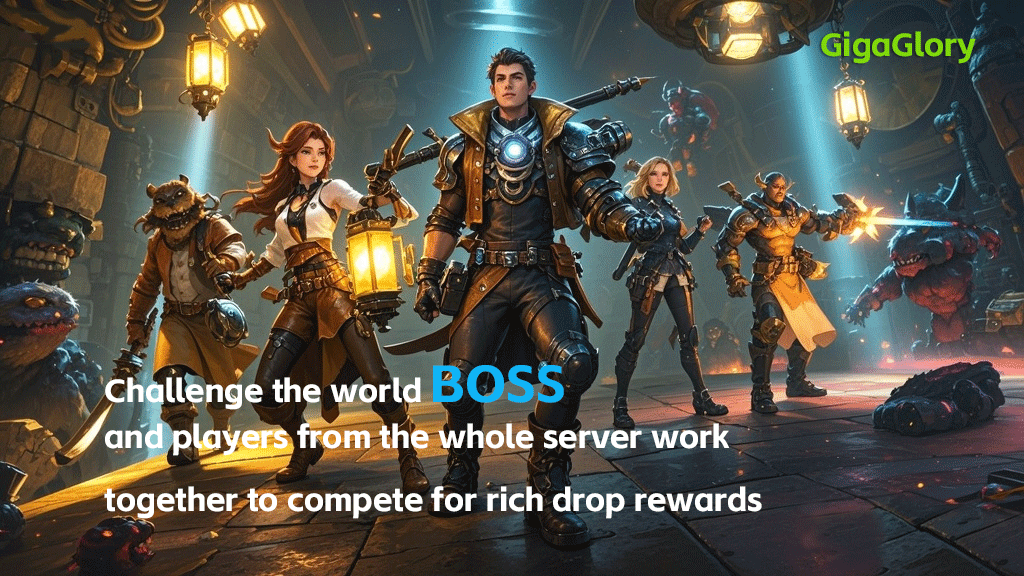
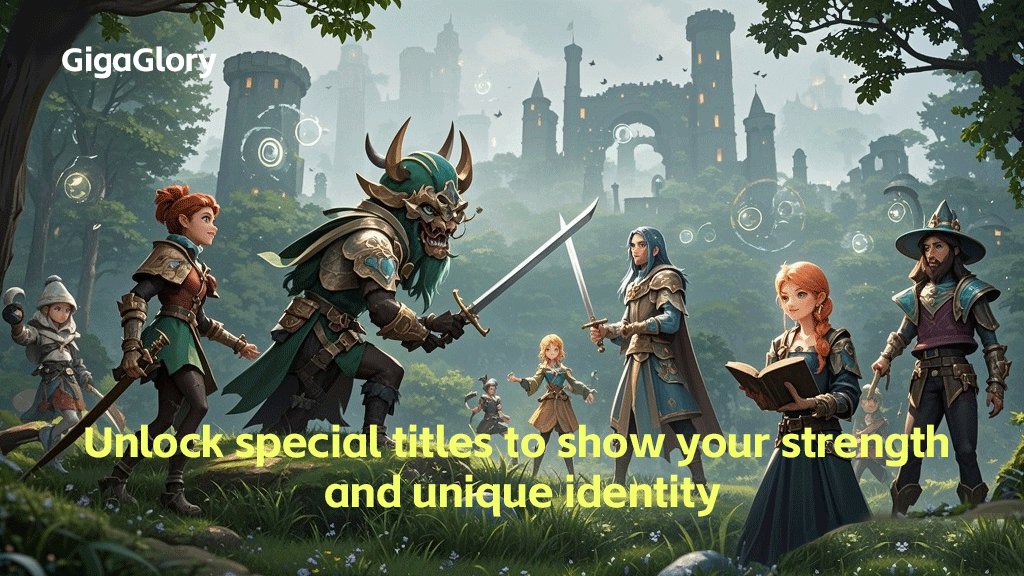
Educational games have evolved significantly over the years. From simple board games used in classrooms to complex story mode PC games and new fantasy RPG games, the realm of educational gaming has expanded immensely. Today, these tools serve a dual purpose—entertaining students while also imparting knowledge. An overview of this evolution can be summarized in the following timeline:
| Year | Type of Game | Significance |
|---|---|---|
| 1980s | Board Games | Introduced strategic thinking. |
| 1990s | Video Games | Expanded reach of education through technology. |
| 2000s | Mobile Games | Increased accessibility for diverse learners. |
| 2010s | Story Mode PC Games | Utilized narrative to improve engagement. |
| 2020s | New Fantasy RPG Games | Gamified learning experiences to boost creativity. |
Why Teachers Embrace Educational Games
- Engagement: Students are more engaged when lessons include games.
- Collaboration: Many games encourage teamwork, fostering social skills.
- Simplification: Complex concepts become easier to grasp in a playful context.
- Assessment: Games provide immediate feedback on student performance.
Benefits of Educational Games
Integrating games into the educational curriculum has profound impacts. Here are some key benefits:
- Enhances Critical Thinking: Strategic games require students to think critically and make decisions.
- Promotes Memory Retention: Interactive gameplay aids memory, making it easier for learners to recall information.
- Encourages Self-Directed Learning: Games often give students the autonomy to explore and learn at their own pace.
- Reduces Anxiety: Gamification can lessen the pressure students feel during traditional assessments.
- Facilitates Inclusivity: Games are adaptable and can cater to various learning styles and needs.
Types of Educational Games
There’s a wide range of educational games. Here's a quick look at some categories:
- Trivia Games: Focus on quizzes and knowledge checks.
- Simulations: Mimic real-world processes for experiential learning.
- Puzzles: Enhance problem-solving skills through engaging challenges.
- Workshop Games: Foster collaboration and creativity in group settings.
- Fantasy RPG Games: Develop storytelling and strategic thinking.
Integrating Educational Games in the Classroom
Teachers looking to integrate educational games can follow several strategies:
- Identify Learning Objectives: Determine what students should learn from the game experience.
- Select Appropriate Games: Choose games that align with the curriculum and are age-appropriate.
- Encourage Group Play: Promote teamwork to enhance social interaction and collaboration.
- Facilitate Learning Discussions: Use game outcomes to initiate discussions and deepen understanding.
- Gather Feedback: Discuss with students what they learned from the gaming experience.
Challenges in Implementing Educational Games
While the benefits are clear, there are challenges as well:
- Budget Constraints: Funding for games and technology can be limited.
- Time Allocation: Finding time in the busy curriculum for gaming activities can be tricky.
- Training Requirements: Teachers may need training to effectively use educational games.
- Distractions: Games can sometimes lead to off-task behavior if not monitored.
Case Studies: Success Stories in Educational Gaming
Several schools worldwide have successfully integrated games into their curriculum:
- School A: Used trivia games to enhance students’ knowledge in history, resulting in a 30% increase in test scores.
- School B: Implemented fantasy RPGs to teach creative writing, with students expressing higher levels of engagement.
- School C: Applied simulation games for science lessons, leading to improved understanding of complex topics.
The Future of Educational Games
The future is bright for educational games as technology continues to evolve. Expect innovations involving:
- Virtual Reality (VR): Immersive experiences that transport students into different learning environments.
- Artificial Intelligence (AI): Tailored gaming experiences that adapt to individual learner’s needs.
- Mobile Learning: Games that students can access anytime, anywhere, increasing flexibility.
Conclusion
In conclusion, educational games are becoming a staple in modern classrooms, unlocking learning through enjoyment and engagement. The benefits they provide, from enhancing critical thinking to promoting inclusivity, are paving the way for a progressive educational experience. While challenges exist, the ongoing advancement of technology will continue to mitigate these issues, ensuring that the educational gaming landscape flourishes. The future of learning is undoubtedly fun—and it’s time to embrace it!